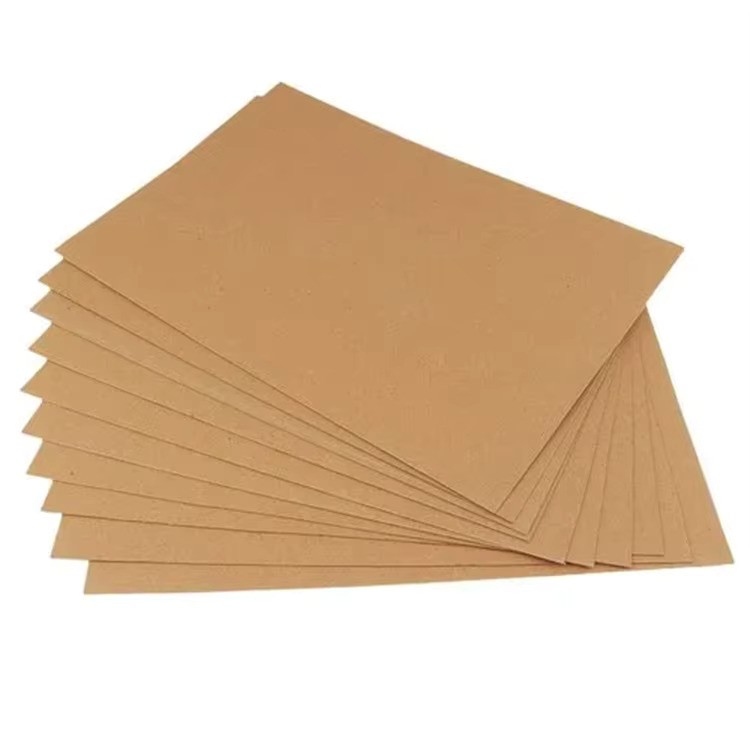
You see that kraft linerboard is special because it uses mostly new fibers. This makes it very strong and tough. Other linerboard types, like testliner and recycled linerboard, use recycled fibers. These types have different strengths for packaging. When you pick a linerboard, you change how well your packaging works. You also change the price and how eco-friendly it is.
People might want less linerboard in 2025.
Things are expected to get better in 2026.
In 2027, growth could be between 1.0% and 1.5%.
Tariffs, changes in demand, and how much is made affect these trends.
Key Takeaways
Kraft linerboard is very strong and tough. It is good for heavy packaging. It uses mostly new fibers. This makes it even stronger.
Testliner and recycled linerboard cost less money. They are not as strong. They are good for lighter packaging jobs.
Picking the right linerboard grade is important. Higher grades are stronger. They can handle more weight and pressure.
Caring for the planet is important. Using recycled materials helps the environment. It lowers your carbon footprint.
Think about printing when you choose linerboard. Kraft linerboard looks natural. Testliner has a smooth surface for bright prints.
Linerboard Types
When you look at packaging, you see different linerboard types. Each type has its own mix of fibers and strength. It is important to know these differences. This helps you pick the right material for your job.
Kraft Linerboard
Kraft linerboard has at least 80% new fibers. You find it in strong shipping boxes. It has two layers that make it stronger. The top layer uses pure fibers. This helps with printing. The base layer gives more strength. You can look at the table below to see how the layers work together:
| Type of Kraft Liner | Top Ply Composition | Base Ply Composition | Printability | Strength |
| White Top Kraft Liner | Pure bleached hardwood Kraft Fibers | Unbleached Softwood Kraft fibers | Excellent | Good |
| Brown Kraft Liner | Pure unbleached softwood fibers | Mix of unbleached softwood fibers and high-quality recycled fibers | Very Good | Great |
People pick kraft liner for heavy-duty packaging. It stays strong during shipping and printing.
Testliner
Testliner is made mostly from recycled fibers. You see testliner in boxes that do not need to be very strong. It has two layers to help with printing. But it is not as tough as kraft liner. Testliner is good for lighter packaging jobs.
Recycled Linerboard
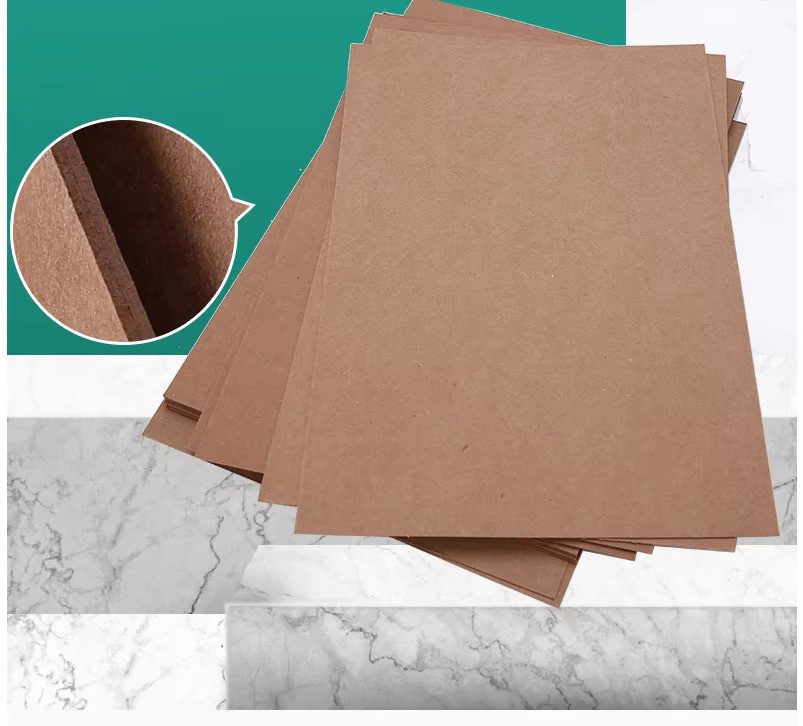
Recycled linerboard uses only recycled fibers. You choose this type if you want eco-friendly packaging. It costs less and saves resources. It has two layers to help with printing. But it is not as strong as kraft linerboard. You use recycled linerboard for things that do not need a lot of protection.
Tip: Linerboard comes in different forms, like single wall or double wall. Single wall has two linerboards with a wavy layer in the middle. Double wall uses three linerboards and two wavy layers for more strength.
Linerboard Grades
Grade Definitions
You need to know about grades when you choose linerboard for packaging. Grades tell you how strong and heavy the paper is. The industry uses different paper grading types to sort linerboard by weight and strength. Each grade fits a certain job in packaging. For example, you see grades like 125 K/T or 200 K/T. These numbers show how much weight the linerboard can handle. The higher the grade, the stronger the linerboard.
| Flute | Grade | Product Weight |
| BC or EB | 125 K/T | 10-15kg |
| BC or EB | 150 K/T | 15-25kg |
| BC or EB | 200 K/T | 25-35kg |
| BC or EB | 200 K/300 T | 35-40kg |
| BC or EB | 300 K/T | 40-45kg |
You find two main types of liners in corrugated packaging: the inner liner and the outer liner. The outer liner often uses higher grades because it needs to look good for printing and protect the box. Kraft liners usually have higher grades than recycled liners. This makes kraft a top choice for heavy-duty jobs.
Grade Performance
Grades affect how well your packaging works. You want to pick the right grade for your needs. Grades measure things like burst strength and edge crush resistance. Burst strength shows how well the linerboard can resist punctures. Edge crush resistance tells you how much weight the box can take when stacked.
| Metric | Description |
| Burst Strength | Measured using the Mullen test, which checks puncture resistance. |
| Edge Crush Resistance | Measured using the edge crush test (ECT), which checks stacking strength under pressure. |
| Material Efficiency | ECT-rated cartons can use less material but still meet strength needs. |
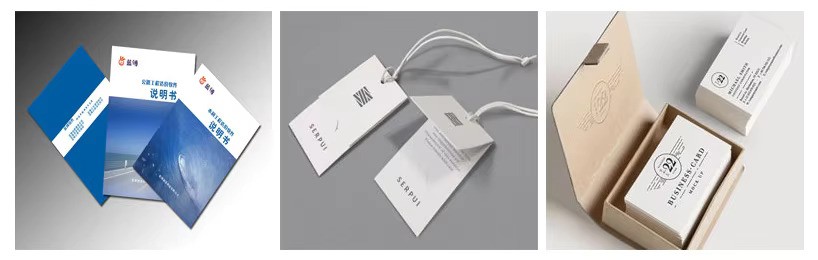
Grades also link to the thickness and density of the linerboard. Thicker grades give you more protection and help boxes keep their shape. Most corrugated boxes use a standard thickness called 42#. If you need more strength, you can choose higher grades. Kraft grades often give you better burst strength and edge crush resistance than recycled grades.
Note: Grades matter most when you ship heavy or fragile items. Picking the right grade keeps your packaging safe and strong.
Kraft vs. Other Linerboard
Strength and Durability
When picking packaging, you want it to be strong. Kraft linerboard is special because it uses mostly new fibers. This makes it tough and helps it last longer. The table below shows how kraft and testliner are different:
| Property | Kraft Liner | Test Liner |
| Fiber Source | Virgin fibers | 100% recycled fibers |
| Strength | Superior strength and durability | Less durable |
| Burst Resistance | High burst resistance | Lower burst resistance |
| Edge Crush Resistance | Higher edge crush resistance | Lower edge crush resistance |
| Cost | More expensive | More affordable |
| Environmental Impact | Less eco-friendly | Eco-friendly (fully recycled) |
| Typical Applications | Heavy-duty packaging (e.g., food boxes) | Lighter packaging (e.g., outer boxes) |
Kraft linerboard is best for heavy-duty jobs. You use it for shipping boxes that protect important things. Testliner and recycled linerboard work for lighter jobs, like display boxes. Kraft linerboard also keeps out water better, especially with special coatings. This helps your products stay safe from water when shipped.
Note: Kraft linerboard with coatings keeps water out better than recycled linerboard. This means your products stay dry and safe.
Printability
You want your packaging to look nice and show your brand. Good printing is important for many companies. Both kraft and testliner can be printed on, but they are not the same. The table below compares them:
| Feature | Testliner | Kraftliner |
| Material | Made from recycled fibers or virgin pulp paper | Crafted from virgin wood pulp |
| Surface | Smooth surface ready for printing | Natural appearance with high durability |
| Strength | Good for economical options | Unparalleled strength and durability |
| Best Use | Economical printing flexibility | Maximum protection during transport |
Testliner has a smooth surface, which helps with printing colors and logos. Kraft linerboard looks more natural but is still good for printing. It is best when you need strong packaging and good printing. If you want strong boxes and nice graphics, kraft is a great choice. For cheaper projects, testliner prints well and costs less.
Sustainability and Cost
Sustainability helps the planet and your business. You want packaging that is good for the environment. Kraft linerboard uses both new and recycled fibers. This lowers its carbon footprint. Recycled linerboard uses only recycled fibers, which helps the environment even more.
Kraft linerboard uses new and recycled fibers to lower its carbon footprint.
The carbon footprint depends on the materials used. More recycled content means less pollution.
Using 100% recycled containerboard helps the planet and supports recycling.
You can look for certifications like FSC or PEFC. These show the fibers come from good sources. Many products now use responsibly sourced fiber and can be recycled.
Cost matters too. Kraft linerboard costs more because it uses new fibers and is stronger. The price for 42-lb kraft linerboard is $940-950 per ton. Recycled linerboard is cheaper, at $840-850 per ton. Testliner is the cheapest, at about $662 per ton. If you want a balance of cost and strength, pick what fits your needs.
Tip: New ways to make linerboard help the environment. Companies use more recycled fibers, better coatings, and digital printing. These changes make packaging greener and cut down on waste.
You can help the planet by choosing recycled packaging. This is good for your business and the earth.
Packaging Applications
Application Scenarios
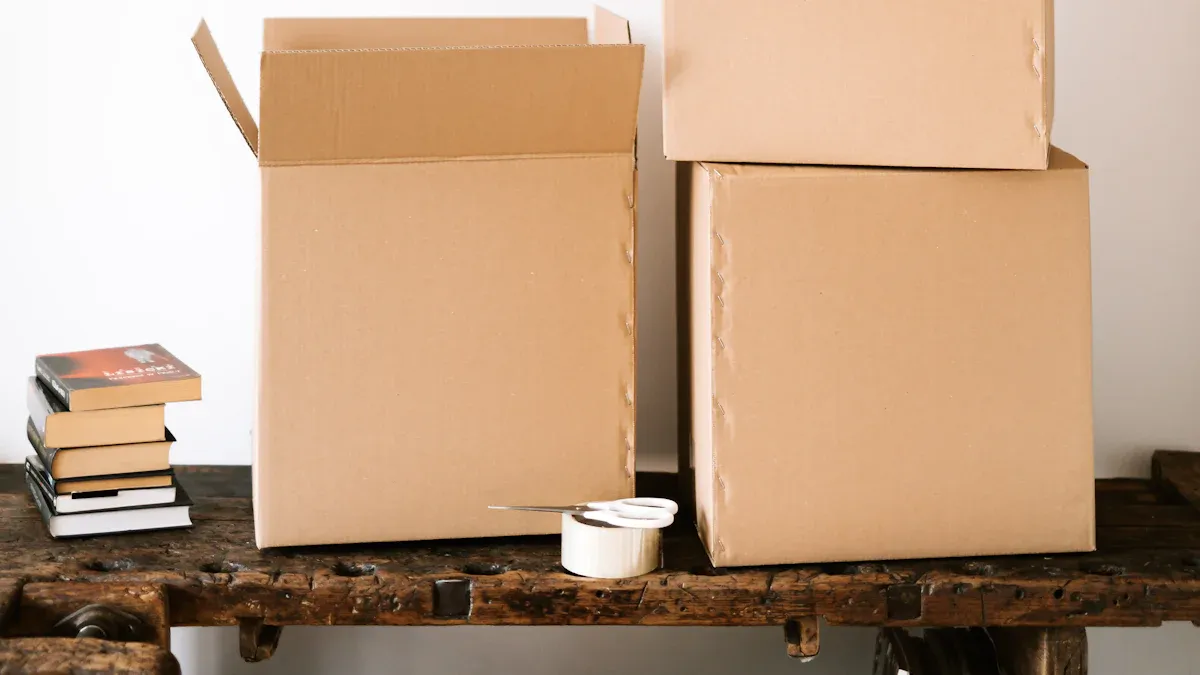
You see packaging everywhere in daily life. Each product needs a different linerboard type. You want the best choice for your items. Heavy-duty shipping boxes need strong linerboard. Kraft linerboard and virgin natural linerboard are good for these jobs. They give strength and keep things safe when moving. You find these types in industrial corrugated cartons.
| Linerboard Type | Description |
| Virgin Natural Linerboard | Heavier than kraft paper, good for corrugated cartons and industrial uses. |
| Kraft Paper | Made from softwood trees, strong and resists damage, great for heavy-duty use. |
Eco-friendly packaging uses recycled materials. These options cost less than fancy white boxes. They still protect products and resist damage.
Some packaging needs a smooth surface for printing. DiamondTop® liners and Everest™ coated liners help with bright graphics. These choices work well for retail and custom designs.
| Linerboard Option | Description |
| DiamondTop® | Smooth surface for high-quality graphics and reliable print. |
| DiamondTop® 1C | High gloss and rich ink, good for preprint jobs. |
| DiamondTop® 2C | Double clay-coated, very smooth for great graphics. |
| Everest™ Coated Liner | Combines folding carton printability with corrugated board strength. |
| Kemi White Board | Semi-gloss surface, perfect for bright, high-quality printing. |
Printing on white cardstock gives bright colors and strong contrast. Kraft cardstock gives softer colors and a natural look. Your choice changes how people see your brand in stores.
Some packaging only needs basic protection and low cost. Chipboard and recycled linerboard are good for these jobs. You use them for industrial containers or shipping boxes that do not need much strength.
Tip: For food packaging, you can pick SBS paperboard for a fancy look or CUK paperboard for moisture resistance. Kraft paperboard is strong and does not tear easily, so it works well for artisanal products.
Decision Factors
You need to think about many things when picking linerboard. You want to balance strength, cost, print quality, and sustainability. Here are the main things to consider:
Strength and Durability
You want packaging that protects your products. Kraft linerboard is very strong and resists tearing. Recycled medium works for moderate strength and costs less.
Linerboard Type | Strength Characteristics | Cost Implications |
Kraft Linerboard | Strong against punctures and tears | Usually the most expensive |
Recycled Medium | Good for moderate strength, saves money | Often the cheapest option |
White Linerboard | Good print and fair price | Costs in the middle |
Cost Considerations
You want to save money. Kraft linerboard costs more because it uses new fibers. Recycled linerboard is cheaper, especially when prices drop. Kraft prices fell by $20 per ton in North America because of discounts.
Factor | Kraft Linerboard | Recycled Linerboard |
Type of Pulp | Made from new fibers | Has recycled content |
Strength and Durability | Strong and lasts long | Depends on quality |
Cost Considerations | Usually costs more | Cheaper in some cases |
Printability
You want packaging that looks nice. Printing matters for labels and designs. White linerboard and coated types give bright colors and sharp graphics. Kraft linerboard gives a natural look with softer colors.
Sustainability
You want to help the planet. Using recycled materials or certified sources supports sustainability. US and EU rules encourage eco-friendly choices. EPR laws and PPWR rules make companies think about packaging’s whole life.
Region | Regulation Type | Impact on Linerboard Selection |
US | EPR Legislation | Pushes for sustainable materials, but rules change by state |
EU | PPWR | Stricter rules for recycling and sustainability |
EPR laws reward you for using green packaging.
Europe focuses more on recycling and cutting waste.
Recyclability
You want packaging that is easy to recycle. Natural kraft and coated unbleached kraft are easier to recycle than folding box board. FBB is tough but needs more energy to recycle because it has many layers.
Paperboard Grade | Composition | Recyclability Impact |
Folding Box Board (FBB) | Many layers, new fibers | Harder to recycle, needs more energy |
Natural Kraft (SUS) | Unbleached wood pulp | Easier to recycle, better for the planet |
Coated Unbleached Kraft (CUK) | Recycled materials | Easier to recycle because of its makeup |
FBB is strong and smooth for printing.
Natural kraft and CUK help you reach sustainability goals.
Application Needs
You want linerboard that matches your product. Heavy-duty shipping needs strong kraft linerboard. Retail packaging needs good print quality. Cheaper jobs use recycled linerboard or chipboard.
Note: Always check local rules and what your customers want before picking paperboard packaging. This helps you meet safety, green, and branding goals.
You notice big changes when you look at linerboard types. The table below shows how kraft is different in fiber content, strength, and printability.
Feature | Kraft Linerboard | Test Liner |
Fiber Content | Up to 25% recycled fiber | Mostly recycled fibers |
Strength | Superior tear strength | Weaker |
Printability | Better surface quality | Less detailed |
When picking packaging, remember these things:
Material efficiency means you use less but still protect items.
Sustainability is important. Recyclable choices help the environment.
Cost can change because of raw materials and supply chain problems.
You notice big changes when you look at linerboard types. The table below shows how kraft is different in fiber content, strength, and printability.
| Feature | Kraft Linerboard | Test Liner |
| Fiber Content | Up to 25% recycled fiber | Mostly recycled fibers |
| Strength | Superior tear strength | Weaker |
| Printability | Better surface quality | Less detailed |
When picking packaging, remember these things:
Material efficiency means you use less but still protect items.
Sustainability is important. Recyclable choices help the environment.
Cost can change because of raw materials and supply chain problems.
FAQ
What is the main difference between kraft linerboard and testliner?
Kraft linerboard uses mostly new fibers. Testliner uses recycled fibers instead. Kraft linerboard is stronger and lasts longer. Testliner is good for lighter packaging jobs.
Can you recycle all types of linerboard?
Most linerboard types can be recycled. Kraft linerboard, testliner, and recycled linerboard go in regular recycling bins. Some coatings might make recycling harder. Always check your local recycling rules.
Which linerboard should you choose for food packaging?
Pick kraft linerboard or coated linerboard for food packaging. These types help keep food safe and dry. Make sure the linerboard meets food safety rules.
Does linerboard type affect print quality?
Smoother linerboard surfaces give better print quality. White-top kraft and coated liners make colors look bright. Testliner prints well but colors may not be as clear.


