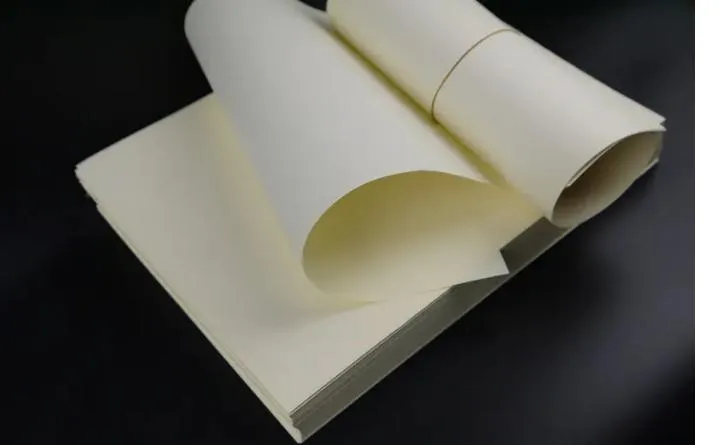
When you choose lightweight paper options, you get more choices for delicate print projects. The right paper weight makes your work easy to fold and hold, and it also enhances the visual appeal. You may wonder how to keep your prints neat without making them thick. Opting for lightweight paper options also demonstrates your care for the planet. Have you ever had a project that felt too heavy or hard to use? The right paper can really make a difference.
Key Takeaways
Pick lightweight paper that is between 30 and 70 pounds. It is easy to use and looks professional for things like flyers and brochures.
Choose the right finish for your paper. Gloss makes colors bright. Matte is good if you want to write on it. This helps your prints look nice and work well.
Think about using special papers like vellum for cool projects. These papers give a soft look and let you layer designs in creative ways.
Lightweight paper saves money and is good for the environment. It helps you spend less on printing and supports green choices.
Always try out paper samples before you print. Check how the paper folds, how it takes ink, and if it is strong enough for your project.
Lightweight Paper Options
Common Weights
When you look at lightweight paper options, you will notice a range of weights. Most lightweight papers fall between 30 and 70 pounds. These weights make your projects easy to fold and handle. You can use them for things like newsletters, flyers, and booklets. If you want to see how different weights match up with common uses, check out this table:
| Paper Weight (lb.) | Typical Applications |
| 30-50 | Trade books, newsletters, flyers |
| 60-70 | Brochures, booklets, marketing pieces |
You might also see terms like book paper, cover paper, or text paper. Each type fits different needs. For example, book paper works well for print books and magazines. Cover paper is better for invitations or menus. Picking the best paper types for your project helps you get the right look and feel.
Finishes
The finish of your paper changes how your project looks and feels. Gloss and silk coated finishes make colors pop and give a smooth, shiny touch. Matte coated and uncoated finishes look softer and feel great for writing. Here’s a quick guide:
| Finish Type | Visual Characteristics | Tactile Experience |
| Gloss and Silk Coated | Bright, sharp, polished | Smooth and sleek |
| Matte Coated and Uncoated | Soft, subtle | Writable, gentle surface |
If you want crisp printing and easy writing, uncoated paper is one of the best paper types. Gloss finishes protect your prints from moisture, so they last longer. Matte finishes cut down on glare, which makes reading easier.
Tip: The finish you choose can change how people feel about your project. A textured finish can make your work feel special.
Vellum and Specialty Papers
Vellum stands out among lightweight paper options. It is thin, translucent, and feels delicate. You can use vellum for overlays, invitations, or art prints. Specialty papers like vellum add a unique touch to your project. They also let you play with opacity. If you want to show off layers or create a soft look, vellum is one of the best paper types to try.
Remember, the opacity of your paper affects how well your print shows up. Thinner papers may let some light through, which can look beautiful in the right setting. Try different lightweight paper options to see which ones fit your vision best.
Best Paper Types
Invitations & Stationery
You want your invitations and stationery to feel special. Lightweight paper, like 60-70 lb uncoated or textured stock, is a good choice. This paper is easy to fold and feels soft. If you write by hand, uncoated paper soaks up ink well. It also helps stop smudges. You can use vellum overlays for a soft, layered look. These paper choices help your prints stand out at weddings, parties, or business events.
Tip: If your invitation has layers or inserts, lightweight paper keeps it slim and fancy.
Brochures & Flyers
Brochures and flyers need to look nice and fold often. Glossy-coated paper in the 100-130 gsm range is great for most brochures. This paper makes your marketing look bright and shiny. If you want a fancier feel, try 150-170 gsm. Lighter papers, like 80-100 gsm, fold easily and are good for big mailings.
Glossy-coated paper makes colors bright and keeps out water.
Matte presentation paper, usually 150-200 gsm, is good for flyers with lots of words. It is smooth, not shiny, and strong.
For wordy flyers, matte paper looks nice and works well, so your message is clear.
Pick the right paper weight and finish for your printing needs to get good results.
Art Prints
Artists want paper that makes their art look great. The best paper depends on what you print and your style. Lighter papers can feel weak, but they work for soft prints or layering. Heavier papers feel fancy and last longer.
Matte paper is not shiny and is good for art with lots of words.
Glossy and semi-glossy photo papers make colors bright and bold.
Archival-grade papers help your art last a long time without fading.
Good paper makes your art look and feel better. High-quality paper shows small details and bright colors, so your prints impress people.
Booklets & Zines
Booklets and zines come in many styles, so you have lots of paper choices. The best paper depends on what you print and your needs. Here’s a simple guide:
| Paper Type | Weight Range | Best For |
| Text-heavy booklets | 60-70 lb | Lots of written content |
| Photo-rich marketing | 100 lb gloss | Booklets with many images |
| Mixed content | 80 lb matte | Both text and images |
| Budget-friendly | 50 lb | Cost-effective interiors |
| Premium feel | 100+ lb | High-end presentations |
Choose lighter paper for easy mailing and handling. Heavier paper feels strong and looks professional. Always match your paper to your printing needs for the best results.
Specialty Uses
Some projects need special paper. Origami, medicine inserts, and product instructions all use lightweight paper. You want paper that folds well but does not tear. The medicine industry uses lightweight paper for inserts. It is important to pick paper that is strong and easy to read. Make sure your layout and font size are clear.
Note: For special uses, check that your paper follows any rules for your industry.
Lightweight paper helps you with special printing jobs, like tiny folded art or important product info.
Benefits
Cost-Effectiveness
Lightweight paper helps you save money on printing. You use less paper for each sheet. This means you get more space to print with less material. Using fewer resources makes your project cheaper. If you print a lot, the savings grow quickly. Lightweight paper looks nice but does not cost a lot.
Aesthetic Appeal
Lightweight paper makes your projects look special. It is easy to fold and feels smooth. This is great for flyers and newsletters. The paper feels soft and looks fancy. You can print on both sides without much see-through. Adding embossing or foil makes your work stand out. These things help your project look neat and high-end.
Tip: Soft-finish lightweight paper makes invitations and art prints feel extra nice.
Mailing & Shipping
Mailing and shipping are easier with lightweight paper. You pay less for postage and it is easy to handle. Here is a table that shows how paper weight changes shipping costs:
| Shipping Method | Cost per Shipment | Savings |
| USPS Lightweight Parcel | $2.80 | N/A |
| Conformer packaging (Automated Flat) | $1.00 | $1.80 |
You can send more mail for less money. Lighter paper fits better in envelopes and boxes. If you send lots of mail, you save money and reach more people.
Environmental Impact
Lightweight paper is better for the environment. Using less paper saves trees and helps stop deforestation. It also uses less energy and makes less pollution. Many lightweight papers have eco-labels to show they are green.
| Certification/Standard | Description |
| EU Ecolabel | Checks the whole product’s life. |
| FSC | Makes sure forests are cared for. |
| PEFC | Checks that forests are managed well. |
| German Blue Angel | Looks at how products affect nature. |
| Austrian Eco label | Shows the product is sustainable. |
Picking certified lightweight paper helps the planet and gives you peace of mind.
Best Practices
Image Source: unsplash
Design Tips
When you start a print project, you want your design to shine on lightweight paper. Think about the type of paper, weight, opacity, color, and finishes. These choices help your project look and feel just right. You can talk with your printer to make sure your ideas work and fit your budget. If you want bright colors, coated paper works best because it keeps ink from soaking in too much. You can pick finishes like gloss, satin, matte, dull, or metallic to match your style and audience. Always check if the paper weight fits your printer and holds up well. If you use premium paper stocks, your project will stand out and feel special.
Tip: Try different finishes and colors to see what matches your message and audience.
Printing Techniques
You have a few printing methods to choose from. Each one works better for certain jobs. Here’s a quick look:
| Printing Technique | Advantages | Disadvantages | Best For |
| Offset Printing | High precision, vibrant colors, cost-effective for big jobs | High setup cost, not flexible for changes | Large runs, premium products |
| Digital Printing | Fast, easy to customize, low setup cost | Less color accuracy, pricey for big jobs | Prototypes, short runs, custom designs |
| Screen Printing | Bold colors, works on many materials | Slow, high cost per unit | Limited editions, packaging with bold colors |
If you want sharp details and bright colors, offset printing is a good choice for premium paper stocks. Digital printing works well for small batches or when you need something quick. Screen printing gives you bold colors for special projects.
Handling & Storage
Lightweight paper needs careful handling. You want to keep it safe from damage. Here are some tips:
Store paper in a room with steady temperature (68°F to 75°F) and humidity (35% to 55%).
Keep paper in its wrapper until you use it. This stops dust and moisture.
Lay reams flat on a solid shelf. Don’t stand them up.
Protect paper from sunlight with UV film or opaque bins.
Wash your hands before touching paper. Use gloves for special sheets.
Let paper adjust to room conditions before printing.
Use acid-free boxes and tissue for long-term storage.
Avoid rough handling to prevent tears and stains.
Note: Careful storage keeps your lightweight and premium paper stocks looking fresh and ready for your next project.
Finishing & Binding
Finishing and binding can make or break your print project. If you pick paper that’s too thick or stiff, you might get bulky spines or covers that crack. Coated or textured papers sometimes resist glue and crease poorly. You want to match your paper with the right binding method. This helps you avoid problems like cracking or misalignment. When you choose the right paper and finish, your project stays strong and looks great.
Tip: Always test your finishing and binding methods with your chosen paper before you print a big batch.
Right Paper
Matching to Project
You want your print project to look and feel just right. Picking the right paper is the first step. You have many options, but not every paper fits every job. Think about what you need. Do you want something stiff or easy to fold? Do you care about sustainable practices? Here’s a table to help you match the right paper to your project:
| Paper Type | Description |
| Card stock | Stiff, rigid paper for covers and table tents. |
| Cover stock | Heavy paper for book covers and special publications. |
| Text stock | Lightweight paper for letterhead, envelopes, inserts, and flyers. Easy to fold and handle. |
If you plan to print flyers or brochures, text stock is one of your best options. For business cards or bookmarks, card stock works better. Always keep sustainable practices in mind when you choose your options. The right paper helps your project stand out and supports your values.
Supplier Questions
When you talk to a supplier, you want to make sure you get the right paper for your needs. Ask about their options and how they support sustainable practices. Here are some questions you can use:
What lightweight paper options do you offer for my project?
Can you show me papers that follow sustainable practices?
Which options work best for folding or special finishes?
How does each option handle ink and color?
Do you have certifications for sustainable practices?
Tip: Good suppliers help you find the right paper and explain how their options support sustainable practices.
Sample Testing
Before you print a big batch, always test your options. Sample testing helps you see how the right paper works with your design. You can check if the paper folds well, holds ink, and feels good. Testing also helps you support sustainable practices by picking the best options for your project. Here’s a table that shows what to look for:
| Property | Why It Matters |
| Bending Stiffness | Makes sure the paper finishes well and runs smoothly in the printer. |
| Splitting Resistance | Checks if the paper peels or splits during use. |
| Internal Bond Strength | Shows if the paper can handle printing without falling apart. |
| Creasability | Tells you if the paper folds without cracking. |
| Tearing Resistance | Makes sure the paper does not tear too easily. |
| Double Fold Number | Important for maps or items that fold many times. |
Try different options to see which one feels right. Testing helps you avoid mistakes and supports sustainable practices. You want the right paper for your project, and sample testing gives you confidence in your choice.
You have learned how lightweight paper helps your print job. Experts say the right paper makes your project look and feel better. Do not use the wrong paper type or weight. Try new ideas like synthetic or biodegradable papers for cool results.
| Paper Type | Benefit |
| Synthetic | Strong and water-safe |
| Biodegradable | Good for the planet |
Test different papers before you print anything. You may find the best one for photos or creative designs. Try it out and watch your next project stand out!
FAQ
What makes lightweight paper a good choice for eco-friendly printing?
Lightweight paper helps the planet. It uses less material. This supports eco-friendly printing. Many lightweight papers come from recycled sources. You lower your carbon footprint with every print job. You also help support sustainability.
How does recycled paper affect print quality?
Recycled paper can give great print quality. Modern recycled options work well for text and images. You might see a little texture. Most people like the natural look. Choosing recycled paper supports sustainability and eco-friendly printing.
Can I get high print quality with carbon balanced paper?
Yes, you can get sharp images and clear text. Carbon balanced paper gives excellent print quality. This paper also supports sustainability. You help balance your project's carbon footprint. It is an eco-friendly choice.
Why should I care about sustainability in print projects?
Sustainability helps protect the environment. You save resources and reduce waste. Picking recycled or carbon balanced paper supports eco-friendly printing. You show others you care about the planet.
Are there eco-friendly options for specialty print jobs?
You have many eco-friendly choices for special projects. Try recycled or carbon balanced paper for invitations, art prints, or booklets. These options give strong print quality. They also support sustainability. You can find sustainable options for almost any print need.


